




Watering Tips for Plants: Indoor and Outdoor

Proper watering is essential for the health and vitality of both indoor and outdoor plants. Whether you're tending to your garden or cultivating a thriving indoor oasis, knowing when and how often to water your plants is crucial. In this blog post, Dr Green Fingers shares practical watering tips for plants to help maintain healthy growth and avoid common watering problems.
Watering Outdoor Plants:
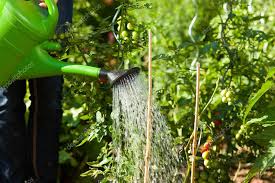
Watering outdoor plants is a fundamental part of maintaining a healthy and thriving garden. Good watering habits provide plants with the moisture they need to grow, flower, and produce fruits or vegetables. Understanding the watering needs of your outdoor plants, including frequency and timing, is crucial for their overall health and resilience. By following watering best practices and adapting to dry weather or changing conditions, you can help your plants flourish in your garden.
Understanding Watering Needs:
Each plant has specific watering requirements based on its species, size, and growing conditions. Factors such as temperature, humidity, soil type, and whether the plant is in its first year after planting can influence how often it needs water. It's essential to familiarise yourself with the water needs of individual plant varieties in your garden.
Watering Frequency:
To determine the right watering frequency, consider the following guidelines: newly planted or recently transplanted outdoor plants generally require more frequent watering until their root systems become established. As a general rule, water your outdoor plants deeply once or twice a week rather than shallowly every day. Deep watering encourages deeper root growth, making plants more resilient to drought.
Optimum Watering Times:
Watering during the early morning or late evening is ideal for outdoor plants. These periods offer cooler temperatures and lower evaporation rates, allowing plants to absorb water effectively. Avoid watering during the hottest part of the day to minimise water loss due to evaporation. If possible, collect rainwater in a water butt and water directly to the base of the plant for efficient watering in your garden.
Watering Indoor Plants:
Watering indoor plants is a vital part of caring for your houseplants and creating a vibrant indoor space. Proper watering ensures that indoor plants receive the moisture they need for healthy growth and development. Understanding the unique watering requirements of different indoor plant species, including the frequency and timing of watering, is key to their well-being. By paying attention to individual plant needs, you can provide the right level of hydration and support lush foliage and vibrant blooms.
Assessing Water Needs:
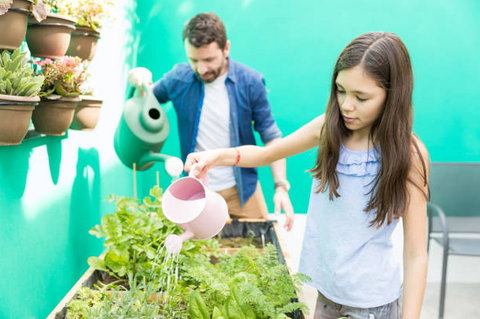
Indoor plants have different water requirements compared to their outdoor counterparts. Factors such as pot size, humidity levels, and light conditions influence their water needs. It's crucial to evaluate each indoor plant's specific requirements, especially during warm spells or when plants are growing actively.
Watering Frequency:
To determine the appropriate watering frequency for your indoor plants, consider the following factors: check the moisture level of the soil by inserting your finger about an inch deep. If the soil feels dry at this depth, it's time to water. Avoid overwatering indoor plants, as it can lead to root rot and other moisture-related issues. Allow the top layer of soil to dry out between watering sessions.
Optimum Watering Times:
Indoor plants can be watered at any time of day, as long as the soil has dried out sufficiently since the previous watering. Take care not to water during the evening or night, as excess moisture can create a damp environment and potentially lead to fungal diseases.
Additional Watering Tips for Both Indoor and Outdoor Plants:
- Use room-temperature water to avoid shocking the plants.
- Water directly to the base of the plant, avoiding excessive wetting of foliage.
- Consider using a watering can with a narrow spout or a drip irrigation system for precise and controlled watering.
- Group plants with similar water requirements together to simplify the watering process.
- Choose larger pots for plants where possible, as they won’t dry out as quickly as small ones.
- Monitor plants closely during hot weather or dry periods, as they may require more frequent watering.
Proper watering is crucial for the health and well-being of your indoor and outdoor plants. By understanding the unique watering needs of each plant, determining the appropriate watering frequency, and selecting the best watering times, you can help your plants thrive. Remember to check soil moisture, avoid overwatering, and adapt to changing environmental conditions to keep your green companions happy and hydrated.
Note: The information provided in this article serves as general guidelines. It's important to consider the specific requirements of individual plant species and adjust watering practices accordingly.
Find out more specific plant care information on indoor, outdoor plants and planted containers.
